
Cash Out Casino Winnings to Bank Account: A Practical Walkthrough
H1: Getting Cash Out Casino Winnings to Your Bank Account in Australia
Pulling your winnings back into everyday spending money is the moment most punters care about, not the spin itself. In Hobart, where the Friday arvo crowd spills out of the casino precinct and straight onto the waterfront, you can see that same impatience for a clean payout in person. Online, that feeling translates into a simple question: how do cash out casino winnings to bank account actually work once the dashboard says you have won? The short answer is that the path is usually straightforward, but it rewards a bit of planning before you ever hit the button.
How the payout path actually unfolds
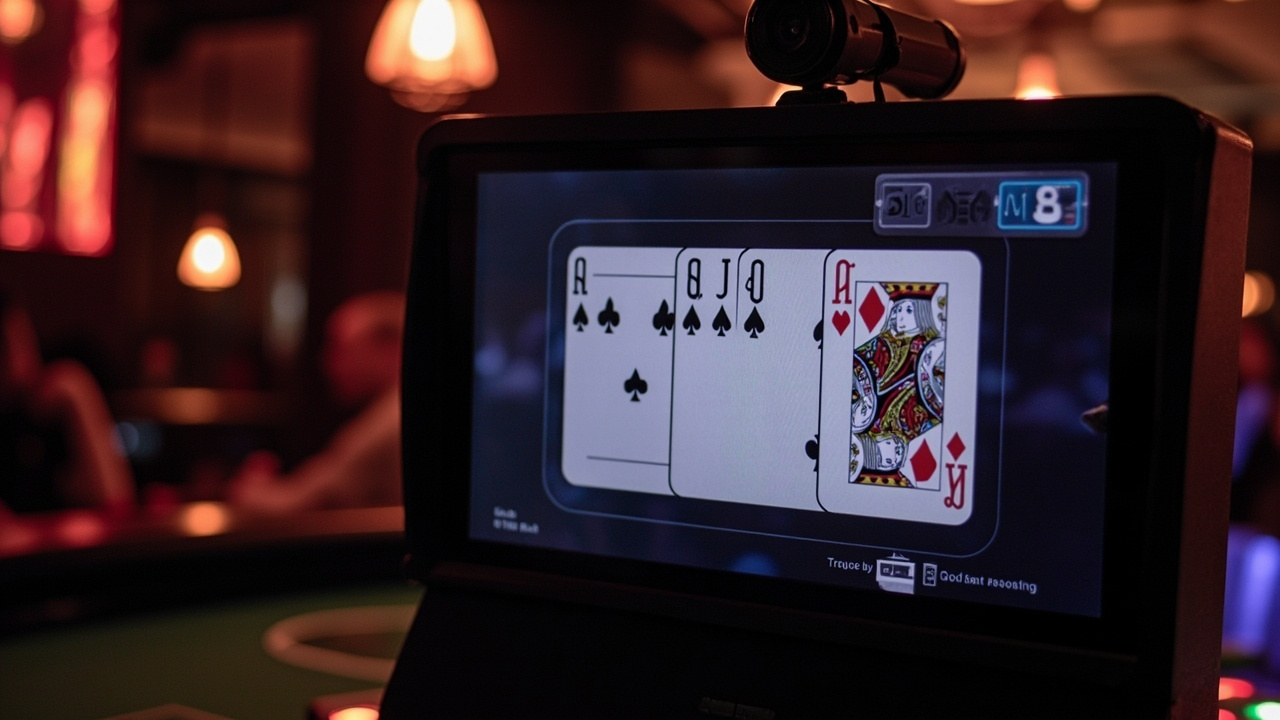
The first thing to understand is that a win on the screen is not the same as money sitting in your account. Bright lights and celebratory sounds turn even small wins into dopamine-triggering events, which is exactly why the interface around the withdrawal section matters so much more than the slot itself. After a payout appears, the player is typically routed to a wallet or cashout panel that lists available methods, pending balances, and any verification steps still open. For an Australian player, that usually means choosing an AUD-denominated option, confirming the linked bank details, and waiting for the operator to clear the transaction through its payment stack. A well-built flow keeps the language plain, shows the expected timeframe in hours rather than vague promises, and lets you track the status without digging through menus.
A practical detail I have seen work well comes from how international leisure brands handle the handoff between excitement and logistics. When a campaign moves a customer from a high-energy moment straight into a calm, structured next step, drop-off falls and trust rises. The same principle applies here: the cashout screen should feel like a checkout counter, not a maze. If the operator has localised the page for Australian players, you will see dollar amounts, local banking references, and support contact details that match the rest of the account rather than a generic global template. That kind of localisation is what separates a payout that feels routine from one that feels like a loose end. plinko machine
What to check before you request a transfer
Interface and navigation around the cashout button
A usable withdrawal section does not make you relearn the site. The button should sit where you expect it, the status line should update in plain language, and the menu should not hide important limits behind layers of tabs. When I review a flow like this, I look for a clear hierarchy: current balance, pending amount, available methods, and a status trail that tells you whether the request is queued, processed, or completed. If the page uses the same visual identity and navigation patterns as the rest of the account, the payout feels like part of the same product rather than a separate back office.
Language, currency and localisation for Australian players
Currency confusion is one of the easiest ways to make a payout feel slower than it is. A properly localised account shows AUD throughout, spells out any conversion steps if they exist, and keeps the wording consistent with the registration and deposit screens. For players based in Tasmania or anywhere else on the mainland, that also means support options and help text that reflect local expectations rather than a translated template. A search bar that actually surfaces the withdrawal page, the FAQ, and the contact path is a small detail, but it saves real time when you are trying to get cash out casino winnings to bank account without waiting on a vague email thread.
Registration, mobile use and support during the process
The payout is only as smooth as the account behind it. Registration details should match the banking information you want to use, and the mobile experience should let you confirm or track a request without forcing you to switch to a desktop. If something stalls, a responsive support path matters more than a glossy bonus screen. Operators that take responsible play seriously also give punters control before a withdrawal ever becomes urgent. Tools such as “take a break” features let online punters pause their accounts, which is a useful reminder that a clean cashout is part of a wider habit, not just a one-off transaction.
| Detail | What it typically means for the payout |
|---|---|
| Currency shown | AUD on the cashout screen, with any conversion made explicit |
| Verification | Identity and banking checks completed before the request, not after |
| Method list | Bank transfer or linked local option presented alongside any alternatives |
| Status trail | Plain-language updates from queued to processed to completed |
| Support path | In-account help and contact options that match the rest of the site |
Who this payout flow suits best
This kind of walkthrough is most useful for players who want the money back in their ordinary spending account rather than parked in a bonus balance or a separate wallet they have to manage later. If you are the sort of punter who checks the balance after a session and then plans a quiet arvo with mates, a clear bank transfer path fits better than a flashy but fiddly alternative. It also suits players who value consistency: the same currency, the same navigation, the same support language from deposit through to withdrawal. That said, the right fit depends on how you play. Someone chasing a single clean payout after a careful session will care more about clarity and timing, while someone who plays casually and rarely withdraws may only notice the process when it matters.
Keeping the payout in perspective
A withdrawal is the point where the fun meets the paperwork, and that is true whether you are sitting in a Hobart café or logging in from the couch. The best experience is the one that makes the process feel ordinary: clear balance, plain status updates, AUD throughout, and a support path that does not make you re-explain your account. If the interface keeps the same identity from the first deposit to the final transfer, the whole thing lands as a normal part of playing rather than a separate hurdle. And if the lights and sounds on the game side are designed to make even a small win feel like a moment, then the cashout side should do the opposite – quiet, legible, and ready to put the money where you actually wanted it.