
If you are weighing up where to put your time at a casino, the best odds table games casino choice is less about chasing a miracle and more about understanding where the house edge sits. I have spent years building and investing in scalable operators, and the pattern is consistent: the maths wins long before the atmosphere does. For an Australian player, that means looking past the glitter and asking what the actual figures say about each game, each payout, and each session you might play on a quiet arvo.
What the odds actually mean on the felt

The focus here is simple: some table games give the house a smaller cut than others, and that difference compounds over time. Blackjack, when played with disciplined basic strategy, typically carries one of the lowest house edges among casino staples. Baccarat, particularly the banker side, sits in a similar neighbourhood, while roulette’s edge depends entirely on the wheel layout and the bets you place. I have backed commercialisation projects where the operator’s margin was built into the product design, and casino maths works the same way – the rules, the payouts, and the player’s decisions all feed the same equation.
That is why a careful read of the rules matters more than any marketing line. A single rule tweak, like a 6:5 blackjack payout instead of 3:2, can lift the house edge by a noticeable amount. The same thinking applies to side bets, which often look lively but carry a much steeper edge. If you are comparing venues, treat the published rules and payout tables as the real product spec, not the surrounding noise.
| Game | Typical house edge range | What moves the number |
|---|---|---|
| Blackjack | Around 0.5% to 2%+ | Basic strategy, deck count, rule variations |
| Baccarat (banker) | Around 1.0% to 1.2% | Commission on banker wins, side bets |
| Baccarat (player) | Around 1.2% to 1.4% | Fewer rule advantages than banker |
| Roulette (European) | Around 2.7% | Single zero layout, bet types |
| Roulette (American) | Around 5.26% | Double zero layout, same bets |
The table is a shorthand, not a promise. Edges shift with specific rules, and any one session can still swing either way. https://evergreenbusinesssystem.com
How to compare table games without getting distracted
Blackjack and the discipline problem
Blackjack is the clearest example of a game where player choices directly affect the edge. The maths behind basic strategy is well established, and following it keeps the house edge toward the lower end of the range. The catch is that the strategy only works if you actually use it, and that is where many players drift. I have seen commercial teams build growth around convenience, then lose the plot when the user behaviour did not match the model; blackjack is similar, because the best odds are available only if the player does the unglamorous work of sticking to the plan.
Side bets are the usual distraction. They can pay handsomely on a lucky hit, but the edge behind them is typically much higher than the main game. If your priority is extending play and keeping the maths on your side, the main game is the place to sit, and the side bets are the place to be cautious.
Roulette, baccarat, and the wheel you choose
Roulette is less about player decisions and more about the wheel itself. A European layout with a single zero gives the house a smaller edge than an American double-zero wheel, and that difference is baked in before you place a chip. Baccarat is closer to a coin-toss feel, but the banker bet usually carries a slightly lower edge than the player bet, with the commission on winning banker hands balancing the books. The nuance is that “better odds” does not mean “better session”; variance still runs hot and cold, and the edge is a long-run figure, not a guarantee for tonight.
When I evaluate a venture, I look for whether the operator’s incentives line up with what they are selling. In a casino context, that means asking whether the game design is transparent and whether the rules are easy to read before you commit. A venue that makes the maths easy to find is usually a better fit than one that buries it behind flashier promises.
Why this matters for how you play and pay
The odds conversation only gets useful when it connects to how you actually play and move money. If you are planning to sit down for a measured session, the game selection, the stake size, and the cashier flow all matter together. In my experience building partnerships and payment flows, the friction points are often the same: slow verification, unclear limits, and currencies that do not match the player’s expectations. A venue that handles Australian dollars cleanly and keeps the cashier straightforward is easier to judge against the maths, because you are not losing time or value to avoidable frictions.
Deposits and withdrawals are where the experience either stays sensible or starts to wobble. Look for clear payment methods, visible limits, and a process that does not treat verification like an afterthought. Liam Campbell, Payments Strategy Director, Great Southern Betting Review, puts it plainly: “A clean cashier does not win you games, but a messy one quietly eats into your session and your patience.” That is the right lens. The odds on the felt are one thing; the odds of having a smooth, understandable transaction are another, and both shape whether the night feels controlled or chaotic.
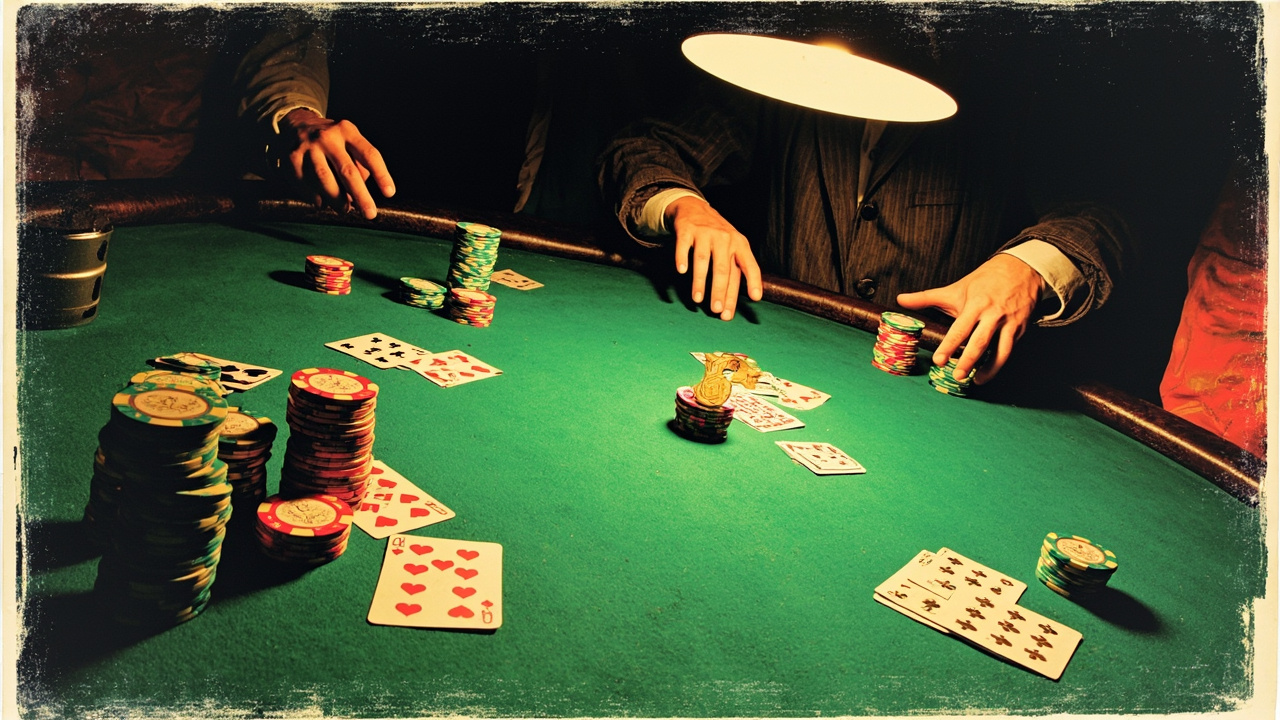
There is a common misconception worth clearing up: people often hear “best odds” and assume it means a game that is close to fair, or even favourable to the player. The reality is more nuanced. The best odds among table games still belong to the house; the difference is that some games give the house a smaller edge and leave more room for disciplined play. That distinction matters because it keeps expectations honest. You are not buying an edge over the casino – you are choosing where the edge is smaller and where your decisions can matter more.
If you are in Hobart and looking for a quiet session, the same principles apply as anywhere else: read the rules, pick the game with the lower edge, and keep the money side tidy. A venue that makes its payouts, currencies, and verification steps easy to understand is easier to judge, and that is the practical point of looking for the best odds table games casino in the first place. The maths does not care about the scenery, but your time and your bankroll do.