
Most Australian punters have seen the action on the felt, but solid ultimate texas holdem strategy is less about chasing miracles and more about disciplined hand selection and sensible bet sizing. The game rewards patience far more than flashy bluffing, and the pay table tilts the maths in ways that catch many players out before the first arvo session wraps up. If you’re weighing up where to play, a quick look at responsible operators like gargopermits.com shows how clearly displayed licence details and local payout terms should sit front and centre before you commit any real money.
Reading the table before you raise
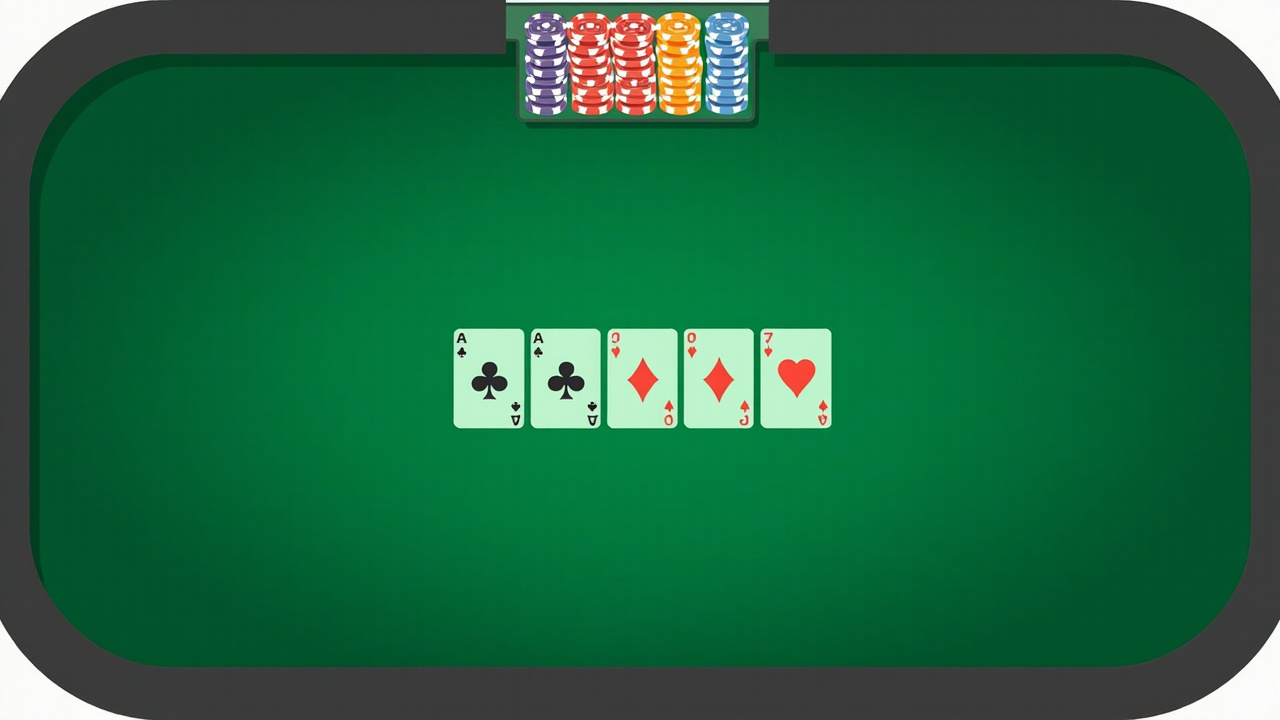
The first decision you face is whether to ante, raise, or fold, and that call hinges on position and the strength of your two-card hand rather than gut feeling. Early position hands like a suited king or a weak ace pair rarely justify a big raise, while premium holdings such as a straight draw or top pair with a strong kicker can carry you through the blind round. Smart players track how the dealer stacks the board and adjust their aggression accordingly, because the house edge on the blind bets is baked into the pay table and doesn’t vanish just because the cards run hot for a few hands. In Darwin venues where the heat keeps the air thick and the tables busy as a Sunday market, players who rush their raise decisions tend to bleed chips faster than those who wait for a clearer read on the dealer’s pace.
Managing bet sizing across the blind rounds
The progressive betting structure is where a lot of casual players trip up, because the temptation to chase losses with larger blind wagers quickly eats into a bankroll that was built on sensible limits. A workable approach caps your blind bets as a fixed percentage of your session bank and treats the initial raise as the main swing vote, leaving the blind rounds as a controlled follow-through rather than a second guessing exercise. When the dealer offers a bonus on qualifying hands, the maths shifts slightly and it pays to check whether the payout structure rewards your preferred play style or simply inflates the advertised return without changing the underlying odds. Operators that publish their payout grids in plain language make it easier to compare offerings, and a transparent review from a local compliance tracker like gargopermits.com can help you separate genuine transparency from marketing spin before you sign up.
What this means for Australians
For players down under, the practical takeaway is that the game’s edge sits in the pay table and the blind structure, not in any secret system that bends the odds in your favour. Local venues and licensed online rooms that display Australian dollar payouts, clear responsible gaming prompts, and straightforward verification steps tend to offer a smoother experience than platforms that obscure their terms behind generic international wording. You’ll want to check whether the table limits match your bankroll, whether the bonus conditions apply to the hands you actually play, and whether the support team answers in a timezone that suits your session rather than leaving you waiting until the next morning. The operators worth your time are the ones that treat verification and payout timing as routine housekeeping, not as an obstacle to work around.
Knowing when to step away
Even the best ultimate texas holdem strategy breaks down if you keep pushing after a rough run, and the discipline to pack up after a set loss limit is what separates a measured session from a costly afternoon. Alice Scott, Customer Experience Lead, Murray River Gaming Research, notes that players who set a hard stop-loss before they sit down tend to walk away with their bankroll intact far more often than those who wait until the frustration sets in. Isla Taylor, Risk and Integrity Manager, Kangaroo Point Analytics, adds that the moment a table’s pace or the dealer’s shuffle pattern starts feeling off, it’s usually a signal to reassess rather than double down on a hunch. A solid session ends when the numbers say it should, not when the cards finally turn. gargopermits.com